
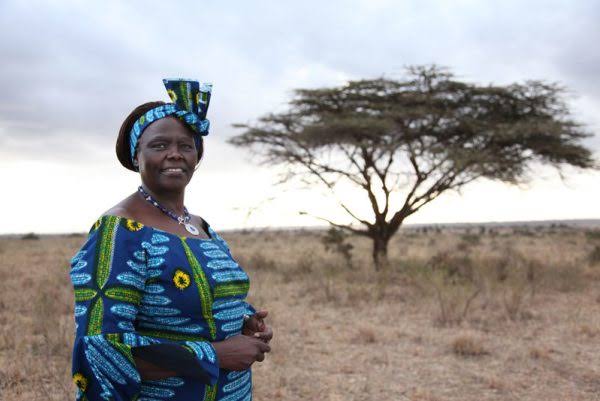

Wangari Maathai remains one of the most influential African environmentalists and human rights advocates of the 20th and 21st centuries. Best known as the founder of the Green Belt Movement and the first African woman to receive the Nobel Peace Prize, Maathai’s life continues to inspire millions around the world.
Her story is rich with academic excellence, environmental leadership, political activism, and unwavering commitment to social justice. This biography explores her early life, family background, age, education, career highlights, financial insights, and the unforgettable legacy she left behind.
Biography of Wangari Maathai
Early Life and Age
Wangari Muta Maathai was born on April 1, 1940, in the rural village of Ihithe in Nyeri County, Kenya. Growing up in the lush highlands shaped her early awareness of nature and its importance to community well-being. She passed away on September 25, 2011, at the age of 71, leaving behind a legacy that transformed environmental activism in Africa and beyond.
Family Background
Maathai was raised in a close-knit, traditional Kikuyu family. Her parents were farmers, cultivating land that played a significant role in shaping her passion for environmental conservation. She was the eldest daughter among her siblings, and from a young age, she displayed academic promise.
In 1969, she married Mwangi Mathai, with whom she had three children: Wanjira, Wamumbi, and Muta. Although her marriage ended in a widely publicized divorce, Maathai continued to raise her children while pursuing her activism and academic career.
Education
Wangari Maathai’s educational journey was groundbreaking, particularly for African women in the mid-20th century. Her academic achievements include:
- Primary Education: Attended local Catholic-run schools where her intelligence and discipline stood out.
- Secondary Education: Received a scholarship to Loreto High School Limuru, one of Kenya’s top institutions for girls.
- University Education in the U.S.: As part of the Kennedy Airlift Program, she moved to the United States, where she pursued higher education.
- Bachelor’s Degree: Biology – Mount St. Scholastica College (now Benedictine College), Kansas.
- Master’s Degree: Biological Sciences – University of Pittsburgh.
- Doctoral Studies: Returned to Kenya and became the first woman in East or Central Africa to earn a Ph.D.
- Ph.D. in Veterinary Anatomy – University of Nairobi.
Her academic excellence later secured her positions as a lecturer, researcher, and department chair at the University of Nairobi.
Career Overview
Academic Career
After returning from the U.S., Maathai joined the University of Nairobi as a lecturer in veterinary anatomy. She climbed the ranks quickly, eventually becoming:
- Senior Lecturer
- Chair of the Department of Veterinary Anatomy
- Associate Professor
She was also the first woman to hold these positions in the institution, marking a historic achievement for women in academia in Kenya.
Founding the Green Belt Movement
Maathai founded the Green Belt Movement (GBM) in 1977, originally a project under the National Council of Women of Kenya. It aimed to empower women by encouraging them to plant trees to combat deforestation and soil erosion.
Key accomplishments of the Green Belt Movement include:
- Planting over 50 million trees across Kenya.
- Empowering thousands of rural women through environmental stewardship.
- Influencing environmental policy and awareness across Africa.
Political and Public Service Career
Wangari Maathai’s activism naturally extended into politics. She became a strong voice for democracy, human rights, and sustainable development. Her political journey includes:
- Member of Parliament for Tetu Constituency (2002–2007)
- Assistant Minister for Environment and Natural Resources under President Mwai Kibaki’s administration
- Founding member of the Green Party of Kenya
Nobel Peace Prize
In 2004, Maathai became the first African woman and the first environmentalist to receive the Nobel Peace Prize. The award recognized her contributions to:
- Environmental conservation
- Democracy and peace
- Sustainable development
- Women’s empowerment
This milestone elevated her to global influence, solidifying her status as a pioneering environmental leader.
Controversies and Criticisms
Despite her global recognition, Wangari Maathai faced numerous challenges and criticisms throughout her life:
Political Clashes
Her outspoken criticism of government corruption and environmental mismanagement led to repeated conflicts with Kenya’s ruling elites during the 1980s and 1990s. She was arrested multiple times and faced intimidation, especially during campaigns to protect public land.
Public Perception
Her activism, particularly the protests against illegal land grabbing in Nairobi’s Uhuru Park and Karura Forest, was sometimes portrayed as anti-government. While some saw her as confrontational, her efforts eventually saved vital green spaces.
Personal Struggles
Maathai’s divorce also attracted controversy, with her former husband publicly criticizing her political involvement. However, she continued to rise above these challenges and remained focused on her mission.
Despite the obstacles, these criticisms ultimately amplified her message and strengthened her legacy as a fearless defender of the environment and human rights.
Net Worth and Financial Overview
Because Wangari Maathai’s life was centered around activism, academia, and public service, not business ventures, accurate estimates of her net worth are limited and were not publicly disclosed. However, several factors contribute to general understandings of her financial standing:
- Academic Salary: As a university professor and department chair, she earned a respectable academic income.
- Political Position: Her tenure as a Member of Parliament and Assistant Minister provided additional income.
- Awards and Honors: While the Nobel Peace Prize included a monetary grant, Maathai directed much of her recognition toward environmental programs rather than personal wealth.
- Advocacy and Speaking Engagements: International lectures and partnerships provided honorariums that supported her work.
Overall, financial wealth was never her focus; her legacy lies in social, environmental, and political impact rather than monetary accumulation.
Legacy and Significance
Wangari Maathai’s global influence continues to grow more than a decade after her passing. Her legacy is anchored in several key areas:
Environmental Impact
Through the Green Belt Movement, she demonstrated how grassroots environmental initiatives can transform societies. Her reforestation model is now studied worldwide.
Women’s Empowerment
By placing women at the center of environmental restoration, she changed the narrative of women’s roles in leadership, sustainability, and national development.
Global Climate Advocacy
Her work was a precursor to modern climate action movements. She emphasized the connection between ecological health, democracy, and peace long before they became mainstream global issues.
Inspiration to Future Generations
Schools, institutions, awards, and conservation programs around the world continue to honor her name. Her life story is studied in education curricula across Africa and beyond.
Frequently Asked Questions (FAQs)
1. Who was Wangari Maathai?
Wangari Maathai was a Kenyan environmentalist, human rights advocate, academic, and the founder of the Green Belt Movement. She was the first African woman to win the Nobel Peace Prize.
2. How old was Wangari Maathai when she died?
She died at the age of 71 on September 25, 2011.
3. What is Wangari Maathai best known for?
She is best known for founding the Green Belt Movement and for her groundbreaking environmental activism, which earned her the Nobel Peace Prize in 2004.
4. Did Wangari Maathai have a family?
Yes. She had three children—Wanjira, Wamumbi, and Muta—from her marriage to Mwangi Mathai.
5. What was her educational background?
Maathai held a Bachelor’s degree in Biology, a Master’s in Biological Sciences, and a Ph.D. in Veterinary Anatomy, becoming the first woman in East or Central Africa to earn a doctoral degree.
6. What were her major career achievements?
Her achievements include founding the Green Belt Movement, serving as an MP and Assistant Minister, and receiving the Nobel Peace Prize for her environmental and peace efforts.
7. What was Wangari Maathai’s net worth?
Her exact net worth was never publicly disclosed. Her life focused on activism, academic work, and public service rather than personal wealth accumulation.
Disclaimer: This biography is compiled from publicly available information and is meant solely for informational purposes. While every effort has been made to ensure accuracy, certain details may vary or be open to interpretation.
