
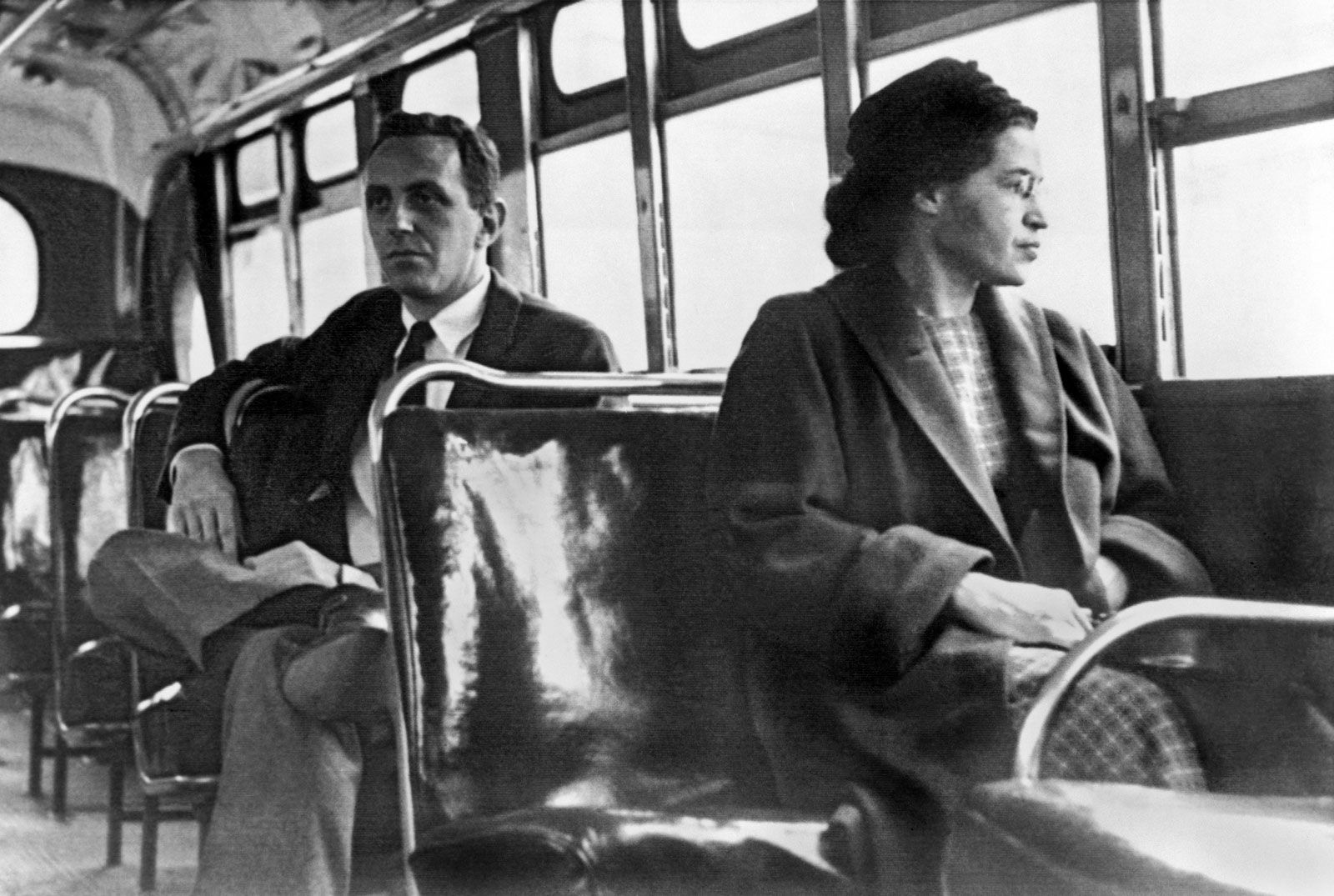

Rosa Parks is one of the most influential figures in American history and a global symbol of the fight for civil rights. Best known for her pivotal role in the Montgomery Bus Boycott, Rosa Parks’ quiet strength and moral courage helped ignite a movement that challenged racial segregation and injustice in the United States. Her life story goes far beyond a single act of defiance and reflects decades of activism, sacrifice, and commitment to equality.
This comprehensive Rosa Parks biography explores her age, family background, education, career, net worth, controversies, and lasting legacy. The article is designed to be informative, easy to read, and optimized for search engines, making it a valuable resource for students, educators, and history enthusiasts alike.
Rosa Louise Parks was an African American civil rights activist whose actions helped shape the modern civil rights movement. On December 1, 1955, in Montgomery, Alabama, she refused to give up her seat on a segregated bus to a white passenger. This moment became a turning point in U.S. history, leading to the Montgomery Bus Boycott and inspiring nationwide efforts to dismantle racial segregation.
Often referred to as “the mother of the civil rights movement,” Rosa Parks’ life represents resilience, dignity, and the power of peaceful resistance.
Rosa Parks Biography: Early Life and Background
Full Name and Birth
- Full Name: Rosa Louise McCauley Parks
- Date of Birth: February 4, 1913
- Place of Birth: Tuskegee, Alabama, United States
Age and Death
- Age at Death: 92 years old
- Date of Death: October 24, 2005
- Place of Death: Detroit, Michigan, United States
Rosa Parks lived a long life dedicated to justice and equality, witnessing major changes in American society during her lifetime.
Family Background
Rosa Parks was born to James McCauley, a carpenter, and Leona Edwards McCauley, a teacher. After her parents separated, Rosa and her younger brother were raised by their mother and grandparents on a farm in Pine Level, Alabama. Her upbringing was deeply influenced by her grandparents, who were former slaves and strong believers in self-respect and resistance to racial oppression.
Education
Rosa Parks attended rural schools in Alabama before enrolling at the Montgomery Industrial School for Girls, a private institution that emphasized discipline, academic excellence, and moral values. She later attended Alabama State Teacher’s College but was forced to leave before graduating to care for her ill grandmother and mother.
Despite limited formal education, Rosa Parks developed a strong sense of justice and social responsibility from an early age.
Career Overview and Civil Rights Activism
Early Activism
Long before the Montgomery Bus incident, Rosa Parks was already involved in civil rights work. In 1943, she joined the National Association for the Advancement of Colored People (NAACP) and served as the secretary of the Montgomery chapter. In this role, she documented cases of racial discrimination, voter suppression, and violence against African Americans.
The Montgomery Bus Boycott
Rosa Parks’ career as a civil rights icon is most closely associated with her arrest on December 1, 1955. By refusing to give up her seat on a segregated bus, she violated local segregation laws and was arrested.
Her arrest sparked the Montgomery Bus Boycott, led by figures such as Dr. Martin Luther King Jr. The boycott lasted 381 days and resulted in a Supreme Court ruling that declared segregation on public buses unconstitutional.
Life After Montgomery
Following the boycott, Rosa Parks and her husband Raymond faced harassment, threats, and financial difficulties. They eventually moved to Detroit, Michigan, where Rosa continued her activism.
From 1965 to 1988, she worked as a secretary and receptionist for U.S. Congressman John Conyers, advocating for social justice, housing equality, and civil rights legislation.
Later Work and Recognition
In her later years, Rosa Parks co-founded the Rosa and Raymond Parks Institute for Self Development, which focused on educating young people about civil rights and leadership.
Her career was marked not by personal ambition, but by a lifelong commitment to equality and service.
Controversies and Criticisms
Rosa Parks is widely respected, and serious controversies surrounding her life are rare. However, some misconceptions and criticisms have emerged over time.
One common misconception is that Rosa Parks was simply tired and acted spontaneously. In reality, she was a trained activist who understood the potential impact of her actions. Some critics initially tried to portray her as a staged figure, but historical evidence confirms her genuine commitment and long-standing involvement in civil rights work.
Additionally, her political views later in life, including opposition to apartheid and criticism of racial inequality in northern cities, were sometimes considered controversial. However, these positions aligned with her lifelong advocacy for justice and human rights.
Overall, controversies did little to damage her reputation and instead highlighted her consistency and moral clarity.
Rosa Parks Net Worth and Financial Overview
Estimated Net Worth
At the time of her death in 2005, Rosa Parks’ net worth was estimated to be modest, often reported to be under $1 million.
Unlike many public figures, Rosa Parks did not profit significantly from her fame. Her work in civil rights was driven by principle rather than financial gain.
Sources of Income
- Salary from her job with Congressman John Conyers
- Speaking engagements and public appearances
- Book royalties from autobiographies and memoirs
Despite receiving numerous awards, Rosa Parks lived a relatively simple life. In later years, she faced financial difficulties, including issues related to healthcare and housing.
Financial Challenges
Rosa Parks’ financial situation highlighted a broader issue faced by many civil rights activists, who sacrificed personal stability for the greater good. Public awareness of her struggles eventually led to fundraising efforts to support her well-being.
Legacy and Historical Significance
Rosa Parks’ legacy extends far beyond the Montgomery Bus Boycott. She is remembered as a symbol of dignity, resistance, and moral courage.
Honors and Awards
- Presidential Medal of Freedom (1996)
- Congressional Gold Medal (1999)
- Numerous schools, streets, libraries, and public institutions named in her honor
Cultural Impact
Rosa Parks is taught in schools around the world as a key figure in American history. Her story continues to inspire movements for racial equality, social justice, and peaceful protest.
Her legacy reminds the world that ordinary individuals can create extraordinary change through courage and conviction.
Frequently Asked Questions (FAQs)
1. How old was Rosa Parks when she died?
Rosa Parks was 92 years old when she passed away in 2005.
2. What is Rosa Parks best known for?
She is best known for refusing to give up her bus seat in Montgomery, Alabama, which sparked the Montgomery Bus Boycott.
3. Was Rosa Parks married?
Yes, Rosa Parks was married to Raymond Parks, a barber and civil rights activist.
4. What was Rosa Parks’ net worth?
Rosa Parks’ net worth was modest, estimated to be under $1 million, reflecting her lifelong dedication to activism rather than wealth.
5. Did Rosa Parks have children?
No, Rosa Parks and her husband did not have any children.
6. Where did Rosa Parks live later in life?
She lived in Detroit, Michigan, for many years after leaving Montgomery, Alabama.
7. Why is Rosa Parks important today?
Rosa Parks remains important because her actions helped dismantle segregation laws and continue to inspire movements for equality and human rights.
Conclusion
Rosa Parks’ biography is a powerful reminder of how courage, integrity, and persistence can shape history. From her early life in Alabama to her central role in the civil rights movement, her career and legacy continue to influence generations. Though her net worth was modest, her impact on the world is immeasurable.
Disclaimer: This biography is compiled from publicly available information and is meant solely for informational purposes. While every effort has been made to ensure accuracy, certain details may vary or be open to interpretation.
