
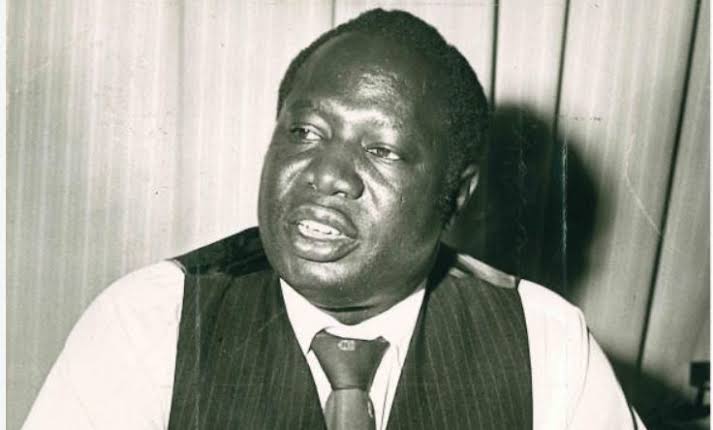

Aggrey Otieno Ambala, known widely as Otieno Ambala, remains one of Kenya’s most intriguing and controversial historical figures. Celebrated for introducing commercial potato chips to Kenya, rising to become a wealthy entrepreneur, and later serving as Member of Parliament for Gem Constituency, his life blends ambition, innovation, political influence, and tragedy. This comprehensive biography explores his early life, family, career, controversies, financial status, and legacy.
Biography
Early Life and Education
Precise details about Otieno Ambala’s date of birth and early upbringing are not publicly documented. However, available accounts reveal that:
- He came from modest beginnings.
- He pursued higher education abroad, reportedly studying Economics at Howard University.
- His education and exposure equipped him with skills that would later enable his entrepreneurial success.
His academic background laid a strong foundation for the diverse business ventures he launched upon returning to Kenya.
Family Background and Personal Life
Ambala’s personal life drew significant public attention, especially due to his marriages and children:
- His first wife, Perez, died in 1973. They reportedly had several children together.
- In 1974, he married Beryl Lilian Odinga, daughter of Kenya’s prominent political leader Jaramogi Oginga Odinga. This union produced two daughters and significantly elevated Ambala’s visibility in political circles.
- During his marriage to Beryl, he was also in a relationship with a woman named Nancy, and they had four children.
- Ambala and Beryl later divorced in the early 1980s.
By the time of his death, he had children from multiple unions, a situation that later led to complicated inheritance disputes lasting decades.
Career Overview
Business Career
Otieno Ambala is best remembered for revolutionizing Kenya’s fast-food culture:
- He is credited with introducing commercial potato chips to Kenya.
- Using a potato-chopping machine he imported from abroad, he started selling chips at an eatery near the Ambassadeur area in Nairobi.
- His chips quickly became popular among commuters, students, and movie-goers.
- He expanded his ventures beyond fast food, investing in:
- Real estate, including parcels in high-value areas like Karen
- Hardware shops
- A petrol station in Kisumu
- Beverage distribution, including partnerships connected to Kenya Breweries
- Various shareholdings and commercial properties
Through these ventures, Ambala built a significant business empire, making him one of the wealthier entrepreneurs of his era.
Political Career
Riding on his growing influence and his marriage connection to the Odinga family, Ambala transitioned into politics:
- He was elected Member of Parliament for Gem Constituency in 1979.
- After winning the seat, he was appointed Assistant Minister for Culture.
- His political trajectory was shaped by his business success, personal networks, and public profile.
Although he showed potential for a promising political role, his career took an abrupt turn soon after.
Controversies and Criticisms
Ambala’s rise was overshadowed by controversies that deeply affected his public image.
Marital and Political Controversies
His marriage to Beryl Odinga drew criticism from some family members, who accused him of pursuing the union for political leverage. This strained relationship with the Odinga family reportedly contributed to tension in personal and political circles.
Murder Allegations and Death
The most significant controversy was tied to the murder of Horace Owiti Ongili, the MP who defeated Ambala in the 1983 election:
- In 1985, Ongili was brutally murdered, and Ambala was arrested and charged with involvement in the killing.
- Authorities alleged that he withdrew large sums of money around the time of the murder, suspected to have been used to pay those involved in the crime.
- While awaiting trial at Kodiaga Prison in Kisumu, Ambala collapsed and died on 8 June 1985. His death was attributed to a heart attack, though some have long speculated about foul play.
These events ended his political career instantly and left enduring questions about the circumstances surrounding both the murder and his own death.
Net Worth and Financial Overview
Although no exact net worth figure exists, available information paints a clear picture of substantial wealth:
- At death, Ambala owned numerous high-value properties:
- Land in Karen
- Commercial buildings
- Hardware shops
- A petrol station
- Residential houses
- He held shares in various companies and had multiple income-generating establishments.
- His total estate was described as being worth many millions of Kenyan shillings, a remarkable amount in the 1980s.
Following his death, the estate became entangled in lengthy court battles. Children from his different marriages fought over property ownership. Some properties had been sold to third parties, while others were repossessed only after decades of litigation.
Legacy and Significance
Otieno Ambala’s legacy is both impressive and complicated:
Business Legacy
He is remembered as a pioneer of Kenya’s commercial fast-food sector. Introducing potato chips helped shape modern Kenyan street-food culture, making him one of the country’s most influential early entrepreneurs.
Political Impact
His time in Parliament, although short, showcased the growing power of businessmen entering politics in post-independence Kenya. His alliances and political moves reflect the dynamics between wealth, influence, and leadership during that era.
Cautionary Tale
His downfall, marked by murder charges and death in custody, serves as a stark reminder of the volatile mix of business, politics, and rivalry in Kenya’s political landscape.
Historical Memory
Ambala remains a polarizing historical figure. Many recall him fondly as a business trailblazer; others associate him with controversy, scandal, and political turmoil.
Frequently Asked Questions (FAQs)
1. What was Otieno Ambala’s age at death?
His exact birthdate is not publicly documented, so his age at death remains uncertain.
2. What is Otieno Ambala best known for?
He is best known for introducing commercial potato chips to Kenya and serving as MP for Gem Constituency.
3. Who were Otieno Ambala’s wives?
He was married to Perez (until her death in 1973), later to Beryl Odinga, and had a long-term relationship with a woman named Nancy.
4. How many children did he have?
Ambala had multiple children from different unions at least eleven according to public records.
5. Why was he arrested?
He was arrested in 1985 and charged with involvement in the murder of Horace Owiti Ongili.
6. How did Otieno Ambala die?
He died in custody at Kodiaga Prison, reportedly from a heart attack.
7. What happened to his estate?
After his death, the estate went through prolonged court disputes involving his children and third parties who had acquired his properties.
Conclusion
Otieno Ambala’s life is one of Kenya’s most compelling stories, a blend of ambition, innovation, political influence, scandal, and tragedy. From pioneering fast-food culture to holding political office, he achieved remarkable success. Yet his controversial end and the decades-long disputes over his estate add layers of complexity to his legacy. Today, he remains a significant but polarizing figure in Kenya’s history, remembered for both his contributions and the controversies that shaped his life.
Disclaimer: This biography is compiled from publicly available information and is meant solely for informational purposes. While every effort has been made to ensure accuracy, certain details may vary or be open to interpretation.
