
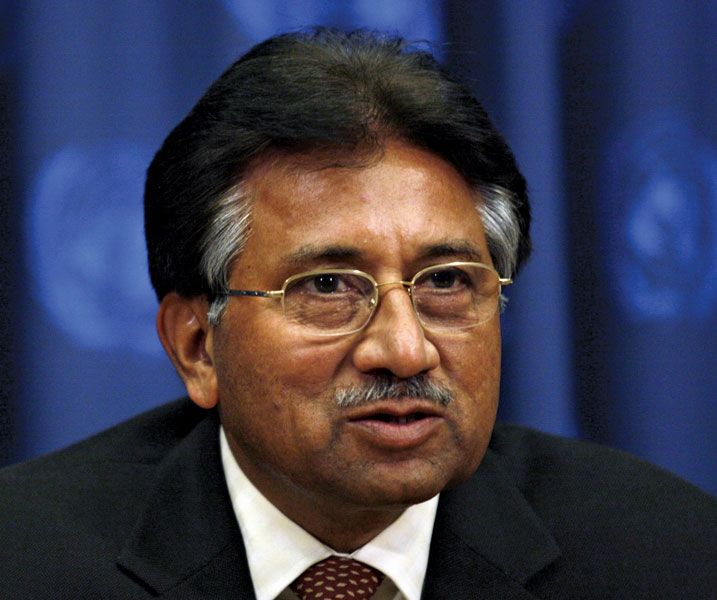

Pervez Musharraf remains one of the most influential and debated figures in Pakistan’s political history. Rising from a military background to become the President of Pakistan, his life story includes major turning points such as war experiences, a military coup, global diplomacy, national reforms, and controversies that shaped his rule. This detailed biography covers Musharraf’s age, family background, education, career, achievements, controversies, net worth, and legacy.
Biography
Early Life and Age
Pervez Musharraf was born on 11 August 1943 in New Delhi, British India. His birth occurred during a turbulent time in the subcontinent’s history, just a few years before the partition that created Pakistan.
Musharraf died on 5 February 2023, at the age of 79.
Family Background
Musharraf came from an educated and respected Urdu-speaking family:
- Father: Syed Musharrafuddin — a civil servant who worked in the British-Indian government and later in Pakistan’s foreign service.
- Mother: Zarin Musharraf — known for her interest in education and social welfare.
- Siblings: He was the second of three sons, with an elder brother, Javed, and a younger brother, Naved.
After the partition of India in 1947, his family migrated to Pakistan and settled in Karachi. The family also lived in Turkey from 1949 to 1956 due to his father’s diplomatic assignments, which helped Musharraf develop fluency in Turkish and an early exposure to international culture.
Education
Musharraf completed most of his early schooling in Karachi, including at St. Patrick’s School. He then studied briefly at Forman Christian College in Lahore, where he developed academic interest in mathematics.
In 1961, at the age of 18, he joined the Pakistan Military Academy (PMA), Kakul — a decision that would shape his entire future.
He later attended several elite military institutions such as:
- Command and Staff College, Quetta
- National Defence University, Islamabad
- Royal College of Defence Studies, London
Career Overview
Military Rise
Musharraf was commissioned into the Pakistan Army in 1964. He fought in:
- The Indo-Pakistan War of 1965 — earning praise for bravery
- The 1971 War — serving as a commando unit leader
Over time, Musharraf grew steadily through the ranks and served in key command roles. His expertise in strategy and defense planning made him a prominent figure within the army.
Becoming Army Chief
On 7 October 1998, Musharraf was appointed Chief of Army Staff. This placed him at the core of Pakistan’s national security decisions.
1999 Military Coup
On 12 October 1999, tensions with Prime Minister Nawaz Sharif led to a major crisis when the civilian government attempted to remove Musharraf from command.
The military responded with a bloodless coup, removed Sharif from power, and Musharraf became the country’s chief executive. He suspended the constitution, dissolved the parliament, and took control of the country’s administration.
Presidency (2001–2008)
In June 2001, Musharraf officially became President of Pakistan.
Key highlights of his presidency include:
- Alliance with the U.S. during the post-9/11 War on Terror
- Economic reforms and attempts to modernize sectors
- National Security Council strengthening
- Improved foreign engagement with the West
Despite economic growth and global recognition, his governance style was widely seen as authoritarian.
Resignation
Amid growing opposition, judicial conflict, and threat of impeachment, Musharraf resigned from office on 18 August 2008 and later lived mostly in exile.
Controversies and Criticisms
Musharraf’s leadership faced serious criticism due to:
- Suspending the constitution in 2007
- Emergency rule, including arrest of judges and censorship of media
- Concentration of power in the military leadership
- The Kargil conflict, seen by critics as a military miscalculation
- High treason case after leaving office
Supporters argue he acted in Pakistan’s best interest during a difficult security period, but critics viewed his rule as a major setback for democracy.
Net Worth and Financial Overview
There is no official verified figure for Musharraf’s net worth.
However, as a long-serving military officer and former president, he likely accumulated wealth through:
- Military pension and benefits
- State-provided housing and allowances
- Speaking engagements and international travel after presidency
Reports suggest he maintained a comfortable financial status but transparency was limited.
Legacy and Significance
Pervez Musharraf left behind a complex legacy:
Positive Views:
- Strong leadership during global crisis
- Diplomatic skills and modernization efforts
- Strengthened defense and national security policies
Negative Views:
- Undermined judicial independence
- Expanded military influence in civilian life
- Restricted media and political freedom
Musharraf is remembered both as a reform-minded leader and as a military ruler whose decisions reshaped Pakistan for better or worse, depending on the perspective.
Frequently Asked Questions (FAQs)
1. When was Pervez Musharraf born?
He was born on 11 August 1943.
2. What was Musharraf’s age at death?
He died at the age of 79 in February 2023.
3. When did Musharraf become the President of Pakistan?
He assumed the presidency in 2001 and governed until 2008.
4. What was his educational background?
He attended military academies and advanced defense colleges in Pakistan and the UK.
5. Was Musharraf ever convicted?
Yes, he was convicted in absentia for high treason in 2019 related to the 2007 emergency rule.
6. What was his role in the War on Terror?
He aligned Pakistan with the United States after the 9/11 attacks, making the country a key strategic ally.
7. How is Musharraf remembered today?
Opinions are divided, some admire his vision and leadership, while others criticize his anti-democratic actions.
Final Thoughts
Pervez Musharraf’s biography reflects the challenges of governance in a nation balancing democracy, military strength, and regional conflict. His contributions and controversies ensure that he remains a centerpiece in Pakistan’s historical and political debates.
Disclaimer: This biography is compiled from publicly available information and is meant solely for informational purposes. While every effort has been made to ensure accuracy, certain details may vary or be open to interpretation.
