
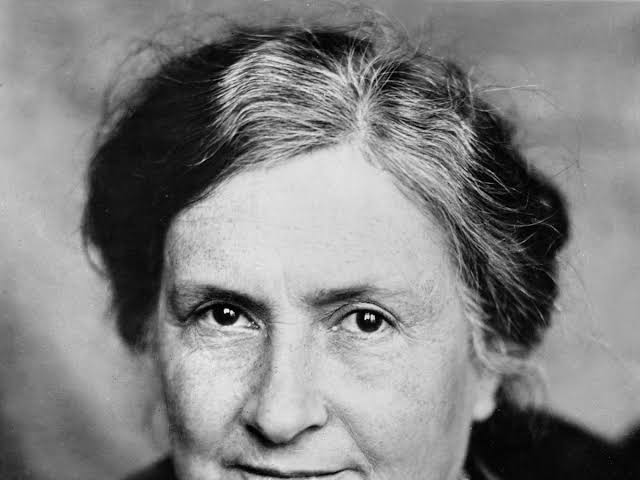

Maria Montessori was one of the most influential education reformers in modern history. Best known as the founder of the Montessori Method of education, she transformed how children are taught by emphasizing independence, respect, and hands-on learning. Her work reshaped classrooms across the world and continues to influence early childhood education today.
This comprehensive biography of Maria Montessori covers her age, family background, education, career achievements, financial standing, controversies, and long-lasting legacy. Whether you are a student, teacher, parent, or researcher, this guide provides a clear and informative overview of her life and impact.
Maria Montessori Biography
Early Life and Family Background
Maria Tecla Artemisia Montessori was born on August 31, 1870, in Chiaravalle, Italy. She grew up in a middle-class family with strong values around education and discipline.
- Father: Alessandro Montessori, a government official
- Mother: Renilde Stoppani, well-educated and supportive of Maria’s ambitions
Her mother played a crucial role in encouraging Maria to pursue higher education at a time when women faced significant social restrictions. Maria Montessori never married, but she had a son named Mario Montessori, born in 1898, who later became her close collaborator and helped spread the Montessori Method worldwide.
Education and Academic Achievements
Maria Montessori was a pioneer in multiple fields. She initially studied engineering but later shifted to medicine. In 1896, she made history by becoming one of the first female physicians in Italy, graduating from the University of Rome.
Her medical background heavily influenced her approach to education. She became particularly interested in child development, psychology, and anthropology. Montessori believed that understanding children scientifically was essential to helping them learn effectively.
Age and Death
- Date of Birth: August 31, 1870
- Date of Death: May 6, 1952
- Age at Death: 81 years
Maria Montessori died in Noordwijk, Netherlands, leaving behind a powerful educational legacy that continues to grow.
Career Overview
Early Career in Medicine and Education
After completing medical school, Maria Montessori worked with children who had intellectual and developmental disabilities. She observed that these children learned better through hands-on activities rather than traditional instruction.
These experiences led her to challenge conventional education systems. She believed that many learning difficulties were rooted in poor teaching methods rather than limitations in children themselves.
Creation of the Montessori Method
In 1907, Montessori opened her first classroom, known as the Casa dei Bambini (Children’s House), in a low-income district of Rome. The results were remarkable. Children showed improved concentration, discipline, and enthusiasm for learning.
Key principles of the Montessori Method include:
- Child-centered learning
- Self-directed activity
- Hands-on educational materials
- Mixed-age classrooms
- Respect for a child’s natural psychological development
This approach quickly gained international attention and praise.
Global Influence and Teaching Career
Maria Montessori spent much of her life traveling and lecturing across Europe, Asia, and the Americas. She trained teachers, established Montessori schools, and wrote extensively about education.
Some of her most influential books include:
- The Montessori Method
- The Absorbent Mind
- The Secret of Childhood
Her educational philosophy spread rapidly, especially in countries like the United States, India, the Netherlands, and the United Kingdom.
Controversies and Criticisms
While widely admired, Maria Montessori’s work was not without controversy.
Criticism of Rigid Structure
Some educators argued that Montessori classrooms were too structured and limited imaginative play. Critics believed the use of specific learning materials could restrict creativity.
Political Challenges
During the rise of Fascism in Italy, Montessori refused to compromise her educational philosophy to meet political agendas. As a result, Montessori schools were shut down in Italy under Benito Mussolini’s regime, forcing her into exile.
Academic Skepticism
Traditional educators initially resisted her methods, questioning whether self-directed learning could meet academic standards. Over time, however, research and real-world success helped validate her approach.
Despite these criticisms, Montessori remained steadfast in her beliefs, and her reputation ultimately emerged stronger.
Net Worth and Financial Overview
Maria Montessori’s Net Worth
Estimating Maria Montessori’s net worth is challenging, as she lived during a time when financial records were not publicly disclosed, and she was not driven by wealth accumulation.
- Estimated Net Worth: Not publicly documented
- Primary Income Sources: Book sales, lectures, training programs, and educational consulting
Unlike modern public figures, Maria Montessori focused on advancing education rather than building personal wealth. Any income she earned was often reinvested into promoting and expanding Montessori education worldwide.
Financial Legacy
While she may not have left behind significant personal wealth, her intellectual legacy has generated substantial economic value. Today, Montessori schools, training centers, and educational materials represent a global industry inspired by her work.
Legacy and Significance
Maria Montessori’s impact on education is profound and enduring. Her ideas reshaped how educators view children, learning environments, and human development.
Lasting Impact
- Montessori education is practiced in thousands of schools across more than 100 countries
- Her methods influence modern child psychology and developmental education
- She was nominated for the Nobel Peace Prize three times
How She Is Remembered
Maria Montessori is remembered as:
- A trailblazer for women in medicine and education
- A visionary who respected children as capable learners
- One of the most important educational thinkers of the 20th century
Her name has become synonymous with innovative, child-centered education.
Frequently Asked Questions (FAQs)
1. Who was Maria Montessori?
Maria Montessori was an Italian physician, educator, and innovator who founded the Montessori Method of education, emphasizing independent and hands-on learning.
2. What was Maria Montessori’s age at death?
She died at the age of 81 in 1952.
3. Did Maria Montessori have a family?
Yes, she was born into a middle-class Italian family and had one son, Mario Montessori, who later helped expand her educational work.
4. What is the Montessori Method?
The Montessori Method is an educational approach that focuses on self-directed learning, hands-on activities, and respect for a child’s natural development.
5. What was Maria Montessori’s net worth?
Her exact net worth is unknown. She earned income through teaching, writing, and lectures but was not focused on personal wealth accumulation.
6. Why were Montessori schools banned in Italy?
Montessori schools were closed during Mussolini’s Fascist regime because she refused to align her educational philosophy with political ideology.
7. Why is Maria Montessori important today?
She is important because her educational philosophy continues to shape early childhood education worldwide, promoting independence, creativity, and lifelong learning.
Conclusion
Maria Montessori’s life story is one of determination, innovation, and lasting influence. From breaking barriers as one of Italy’s first female doctors to transforming global education, her journey remains deeply inspiring. Although her net worth was never the measure of her success, her intellectual and humanitarian contributions continue to enrich millions of lives.
Disclaimer: This biography is compiled from publicly available information and is meant solely for informational purposes. While every effort has been made to ensure accuracy, certain details may vary or be open to interpretation.
