
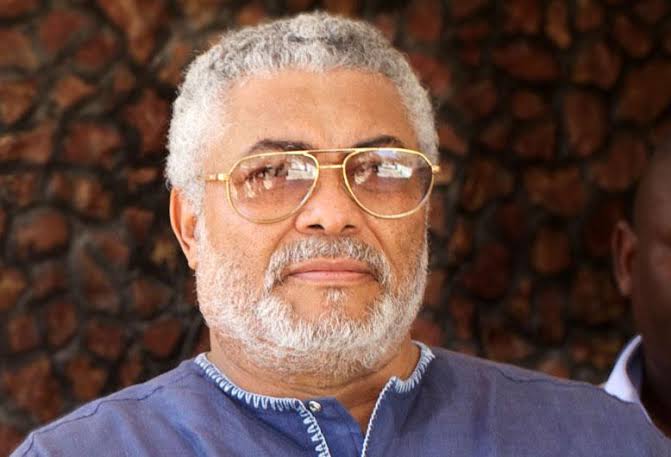

Jerry John Rawlings remains one of the most influential figures in Ghana’s political history. His name is tied to the country’s major political transitions, including the era of military rule and the birth of the Fourth Republic. Many people continue to search for information about Jerry John Rawlings’ biography, education, family, career, revolutionary activities, and the circumstances surrounding his death. This article provides a comprehensive and easy-to-read guide covering his life, achievements, controversies, and contribution to Ghana’s nation-building process.
Jerry John Rawlings, often referred to simply as J.J. Rawlings, served as Ghana’s military leader and later as a democratically elected president. His leadership shaped Ghana’s political direction from the late 1970s to the early 2000s. Known for his charisma, boldness, and strong stance against corruption, Rawlings gained massive support among ordinary citizens and left a legacy that continues to influence Ghanaian society today.
This biography explores Jerry John Rawlings’ early life, education, political career, family, revolutionary actions, controversies, net worth, and his lasting impact on Ghana.
Biography
Early Life and Background
Jerry John Rawlings was born on June 22, 1947, in Accra, Ghana. His father, James Ramsey John, was a Scottish chemist, while his mother, Victoria Agbotui, was a Ghanaian from the Volta Region. Rawlings grew up in a mixed-heritage household, which exposed him to both Ghanaian traditions and foreign influences.
Although raised mainly by his mother, Rawlings maintained connections with both sides of his family. He was known to be energetic, disciplined, and outspoken even as a young boy, traits that later shaped his leadership style.
Education
Rawlings began his education at Achimota School, one of Ghana’s most prestigious institutions. His discipline and interest in national issues developed at an early age. After secondary school, he joined the Ghana Armed Forces in 1967.
He trained at the Ghana Military Academy and later advanced to the rank of Flight Lieutenant in the Ghana Air Force. His military training helped him develop leadership skills, technical expertise, and a strong sense of patriotism. These qualities played a key role in the revolutionary movements he later led.
Family Life
Rawlings married Nana Konadu Agyeman Rawlings in 1977. Nana Konadu later became a leading political figure herself and served as First Lady for two decades. Their marriage was a central part of Rawlings’ public life.
The couple had four children:
- Dr. Zanetor Agyeman-Rawlings
- Yaa Asantewaa Rawlings
- Amina Rawlings
- Kimathi Rawlings
Rawlings was known to be deeply protective of his family and often spoke about the importance of discipline, education, and public service.
Career Overview
First Attempt at Revolution (1979)
Rawlings first became widely known in May 1979 when he led a failed coup attempt against the government of General Fred Akuffo. He was arrested and put on trial. However, he won public sympathy with his bold statements against corruption and mismanagement.
Before his sentencing was carried out, junior officers broke him out of jail. This successful intervention allowed him to lead the June 4, 1979 revolution, which removed the existing military government. Rawlings and the Armed Forces Revolutionary Council (AFRC) introduced strict measures aimed at restoring discipline.
Return to Power (1981)
After handing over power to a civilian government in 1979, Rawlings returned on December 31, 1981, leading another coup. This time he formed the Provisional National Defence Council (PNDC), which ruled until 1992. His administration focused on economic recovery, anti-corruption efforts, and restructuring government institutions.
Transition to Democracy
In 1992, Rawlings transitioned Ghana to multi-party democracy. He founded the National Democratic Congress (NDC) and became the first president of the Fourth Republic.
He won the presidential elections in 1992 and again in 1996, serving until 2001. His leadership during this period is credited with stabilizing the Ghanaian economy, strengthening national institutions, and promoting peace.
Post-Presidency Activities
After leaving office, Rawlings remained active in national and African politics. He served as the African Union’s High Representative for Somalia and engaged in numerous international humanitarian efforts.
Controversies and Criticisms
Like many powerful leaders, Rawlings faced a number of controversies:
Executions in 1979
One of the most debated events in his career was the execution of former military leaders. Supporters argued it was necessary to fight corruption, while critics saw it as too extreme.
Human Rights Issues During the PNDC Era
Some opponents claimed that the PNDC government suppressed political dissent. Rawlings maintained that all actions were taken to protect national stability.
Political Rivalries
His strong public speeches and open criticism of other political leaders often sparked debate. Despite these tensions, many still viewed him as a defender of the ordinary Ghanaian.
Net Worth and Financial Overview
While Rawlings lived a relatively simple lifestyle, estimates of his net worth vary. Most reports place his net worth at around $50 million at the time of his death, although the exact figure was never publicly confirmed.
His income sources included:
- Presidential salary and allowances
- Foreign assignments and diplomatic roles
- Investments
- Personal savings
Rawlings was known for his modest personal image, often driving simple vehicles and dressing casually, which shaped public perceptions about his relationship with wealth.
Cause of Death
Jerry John Rawlings passed away on November 12, 2020, at the Korle-Bu Teaching Hospital in Accra. His death was attributed to a short illness, reported to be complications from COVID-19, although some sources mentioned related health factors.
His passing triggered national mourning. Leaders from around the world sent tributes acknowledging his significant contribution to African governance and stability.
Legacy and Significance
Rawlings’ legacy remains one of the most discussed topics in Ghanaian political history. His bold reforms and anti-corruption stance appealed strongly to ordinary citizens. Many remember him as a leader who fought injustice and sought to uplift the masses.
Some aspects of his legacy include:
- Establishing the Fourth Republic
- Strengthening national institutions
- Inspiring political activism
- Promoting economic recovery during difficult periods
- Shaping the identity of the National Democratic Congress (NDC)
His influence continues through his family, especially Dr. Zanetor Rawlings, who remains active in Ghanaian politics.
Frequently Asked Questions (FAQs)
1. Who was Jerry John Rawlings?
He was a Ghanaian military leader and statesman who served as both a military ruler and a democratically elected president.
2. What was Jerry John Rawlings’ educational background?
He studied at Achimota School and later trained as a military officer at the Ghana Military Academy, becoming a Flight Lieutenant.
3. What caused Rawlings’ death?
He died after a short illness, with reports pointing to complications from COVID-19 in November 2020.
4. What was his net worth?
His net worth was estimated at around $50 million, though exact figures were never officially disclosed.
5. How many children did Rawlings have?
He had four children: Zanetor, Yaa Asantewaa, Amina, and Kimathi.
6. What political party did Rawlings form?
He founded the National Democratic Congress (NDC) in 1992.
7. What is Jerry John Rawlings remembered for?
He is remembered for his revolutionary leadership, anti-corruption stance, transition to democracy, and long-term influence on Ghanaian politics.
Disclaimer: This biography is compiled from publicly available information and is meant solely for informational purposes. While every effort has been made to ensure accuracy, certain details may vary or be open to interpretation.
