
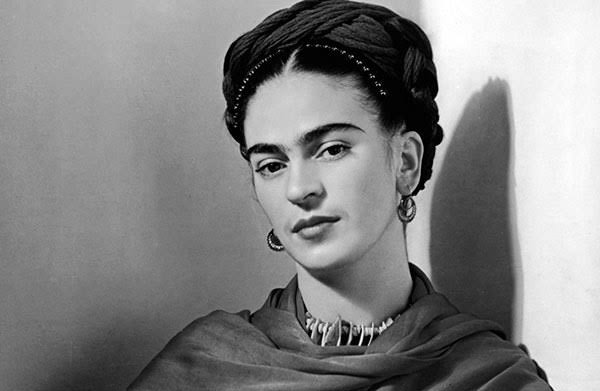

Frida Kahlo remains one of the most influential and recognizable artists of the 20th century. Known for her bold self-portraits, vivid symbolism, and exploration of identity, pain, and Mexican culture, Kahlo has become a global icon. Today, her life story continues to fascinate historians, art lovers, and anyone interested in powerful personal narratives. This biography explores her age, upbringing, artistic journey, family background, estimated financial legacy, and the lasting impact she left behind.
Frida Kahlo’s name evokes images of striking artwork, passionate living, and fierce individuality. Born in early 20th-century Mexico, Kahlo transformed personal suffering into expressive art that challenged social norms and redefined self-representation. Her biography is a blend of tragedy, resilience, creativity, and cultural pride. This article offers a deep look at her life, including her age at pivotal moments, family details, career achievements, public controversies, and the financial footprint she left on the art world.
Biography of Frida Kahlo
Early Life and Age
Frida Kahlo was born on July 6, 1907, in Coyoacán, Mexico City. She died on July 13, 1954, at 47 years old. Although she lived a relatively short life, her impact on the world of art and culture has been tremendous.
Her childhood was shaped by strong influences from her parents. Her father, Guillermo Kahlo, was a German-born photographer known for architectural imagery. Her mother, Matilde Calderón y González, was of Indigenous and Spanish descent. This blend of cultural heritage deeply influenced Kahlo’s sense of identity and artistic expression.
Family Background
Frida grew up in a household filled with creativity but also challenges, including a strained relationship with her mother and her father’s struggle with health issues. She had three sisters, and family life played a central role in her emotional and artistic development.
Education and Early Interests
Frida was a bright and ambitious child. She attended the National Preparatory School in Mexico City, one of the country’s top academic institutions. Here, she first developed an interest in political activism and mingled with intellectual circles.
However, her educational path changed drastically after a catastrophic accident at the age of 18. In 1925, a bus collided with the vehicle she was in, leaving her with severe injuries, including spinal damage, a broken pelvis, and numerous fractures. Her long recovery period forced her to abandon her initial plans to study medicine.
During her extended bed rest, she began painting seriously. Her mother modified her bed with a special easel and mirror, enabling Frida to paint self-portraits, something that would become a defining feature of her career.
Career Overview
Start of Her Artistic Journey
Frida Kahlo entered the art world through self-portraiture, using it to explore her physical pain, emotional struggles, and personal identity. Her early works were influenced by European styles like realism and surrealism, though she often rejected the “surrealist” label, claiming her art reflected her reality rather than dreams.
Marriage to Diego Rivera
In 1929, she married the renowned Mexican muralist Diego Rivera. Their marriage was passionate but tumultuous, marked by mutual infidelity and personal challenges. Despite this, Rivera played a major role in promoting Kahlo’s talent, introducing her to influential artistic and political circles.
Rise to International Fame
Frida held her first solo exhibition in Mexico in 1953, and her work quickly caught the attention of international critics. She exhibited in New York and Paris, where artists such as Picasso and Kandinsky admired her.
Her themes centered on:
- Identity and self-image
- Feminism and womanhood
- Indigenous Mexican culture
- Pain and trauma
- Politics and social justice
Today, her paintings especially her self-portraits are considered masterpieces and continue to sell for record-breaking prices.
Controversies and Criticisms
Frida Kahlo lived a politically outspoken life. She was associated with left-wing political movements, and her open support for communist ideologies generated both admiration and criticism. Her home, “La Casa Azul,” also served as a temporary refuge for exiled Soviet leader Leon Trotsky, which led to public scrutiny.
Her marriage to Diego Rivera was another source of controversy. Their relationship was turbulent, and both were frequently criticized for their unconventional and non-traditional partnership.
In the art world, some critics initially dismissed her work as too personal or emotional. However, over time, these same qualities came to be viewed as pioneering and essential to modern art movements.
Net Worth and Financial Overview
Frida Kahlo’s Net Worth (Historical and Modern Perspective)
During her lifetime, Frida Kahlo did not achieve the financial success that her artwork earns today. She earned modest income from paintings and teaching but often struggled financially. At the time of her death in 1954, her net worth was relatively modest.
However, her posthumous value skyrocketed. Today:
- Her paintings sell for millions of dollars, with some surpassing $20–30 million at auction.
- Her name and image generate substantial revenue through licensing, museums, merchandise, and global exhibitions.
- Her home, Casa Azul, is now one of Mexico’s most visited cultural museums.
Although exact modern-day figures are difficult to assign, her posthumous estate is worth tens of millions, making her one of the most commercially successful artists in history.
Legacy and Significance
Frida Kahlo’s influence extends far beyond the art world. She has become:
- A symbol of feminism and women’s empowerment
- A global icon of self-expression and individuality
- A celebrated figure in LGBTQ+ communities
- A champion of Mexican heritage and Indigenous identity
Her work is studied worldwide, taught in schools, and featured in major museum collections. Kahlo’s personal story—filled with resilience, passion, and authenticity—continues to inspire generations.
Her legacy lives on through:
- The Frida Kahlo Museum (Casa Azul)
- Countless biographies, documentaries, and films
- Worldwide exhibitions and cultural tributes
- Massive social media presence and pop-culture references
Frida Kahlo is remembered not only as an artist but also as a cultural force who challenged societal norms and redefined beauty, identity, and storytelling through art.
Frequently Asked Questions (FAQs)
1. How old was Frida Kahlo when she died?
She was 47 years old, passing away on July 13, 1954.
2. What was Frida Kahlo famous for?
She was famous for her self-portraits, symbolic artwork, bold use of color, and exploration of personal and cultural identity.
3. Who were Frida Kahlo’s parents?
Her father was Guillermo Kahlo, a German-Mexican photographer, and her mother was Matilde Calderón y González, of Indigenous and Spanish heritage.
4. Was Frida Kahlo rich during her lifetime?
No, she was not wealthy during her life. Her massive financial worth developed posthumously as her artwork gained global recognition.
5. Did Frida Kahlo have children?
No, she did not have children, in part due to the lasting medical complications from her accident.
6. What is Frida Kahlo’s most famous painting?
Some of her most famous works include “The Two Fridas,” “Self-Portrait with Thorn Necklace,” and “The Broken Column.”
7. Where is Frida Kahlo buried?
She is buried at the Panteón de Dolores in Mexico City, and her ashes are kept at Casa Azul.
Conclusion
Frida Kahlo’s life story is a powerful blend of art, emotion, resilience, and revolutionary spirit. Her biography continues to attract global attention, and her legacy grows stronger each year. From her early struggles and family roots to her artistic triumphs and cultural symbolism, Kahlo remains an enduring icon whose influence spans art, politics, feminism, and identity.
Disclaimer: This biography is compiled from publicly available information and is meant solely for informational purposes. While every effort has been made to ensure accuracy, certain details may vary or be open to interpretation.
