
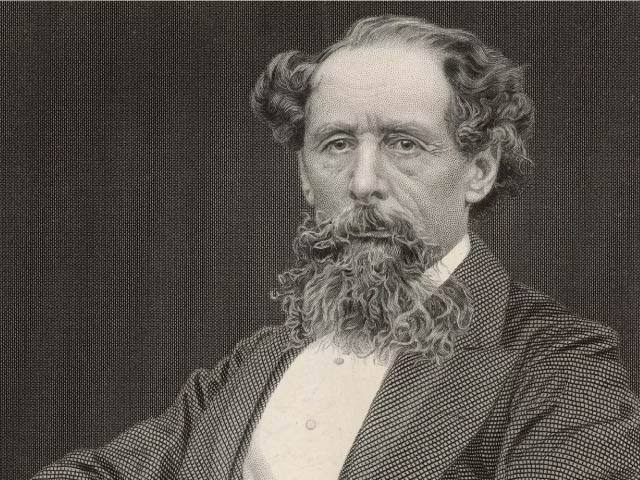

Charles Dickens remains one of the most influential writers in English literature. Known for his vivid storytelling, unforgettable characters, and sharp social commentary, Dickens shaped Victorian literature in ways that continue to inspire readers, scholars, and creators today. This comprehensive biography explores his life, family background, career, financial standing, controversies, legacy, and answers common questions people search for online.
Early Life and Biography
Birth and Age
Charles John Huffam Dickens was born on February 7, 1812, in Portsmouth, England. If alive today, he would be more than 200 years old, but in historical context, he lived to be 58. Dickens passed away on June 9, 1870, at his home in Kent.
Family Background
Dickens came from a middle-class family that struggled financially. His father, John Dickens, worked as a clerk for the Royal Navy but often spent beyond his means. His mother, Elizabeth Dickens, came from a family connected to local civil servants.
A turning point in Dickens’s childhood occurred when his father was sent to Marshalsea Prison for debt. Young Charles was forced to work in a blacking factory at age 12 to support the family. This experience deeply affected him and later influenced many of his novels, especially Oliver Twist and David Copperfield.
Education
Dickens attended school in Chatham and later in London, though his education was interrupted by the family’s financial troubles. After his father was released from prison, Dickens returned to school but never received a formal higher education. His intelligence, curiosity, and love for reading shaped him into a self-taught writer with a sharp understanding of society.
Career Overview
Early Professional Life
Before becoming a novelist, Dickens worked as a law clerk and then as a shorthand reporter in the courts. He later transitioned into journalism, writing for various newspapers and magazines. His early sketches, published under the pen name “Boz” helped him gain recognition for his humor and keen observations of everyday life.
Rise to Literary Fame
Dickens achieved instant fame with the publication of The Pickwick Papers in 1836. The serialized format, which released stories chapter by chapter, allowed him to develop a close relationship with readers and build anticipation for each installment.
He went on to write some of the most celebrated novels in English literature, including:
- Oliver Twist (1837–39)
- Nicholas Nickleby (1838–39)
- A Christmas Carol (1843)
- David Copperfield (1849–50)
- Bleak House (1852–53)
- Great Expectations (1860–61)
- Our Mutual Friend (1864–65)
His works tackled issues such as poverty, child labor, industrialization, and class inequality. Dickens had a rare ability to mix humor, drama, and social critique in compelling stories that appealed to readers of all backgrounds.
Public Readings and Tours
In addition to writing, Dickens became a popular public reader of his works. His dramatic readings drew large crowds in both Britain and the United States. These tours significantly contributed to his income and fame.
Controversies and Criticisms
Though admired, Dickens was not without controversy.
Personal Life Criticisms
Dickens’s marriage to Catherine Hogarth lasted over two decades and produced ten children, but their relationship eventually deteriorated. Dickens separated from Catherine in 1858, an event criticized by the public due to the era’s expectations of family unity. Rumors of his relationship with actress Ellen Ternan further fueled gossip, though details remain partly speculative.
Political and Social Views
While Dickens championed social reforms, some critics argue that certain portrayals in his books reflected biases of his time, including stereotypes and idealized depictions of the poor. Scholars continue to debate aspects of his worldview and how his beliefs evolved throughout his life.
Workplace Behavior
Accounts from colleagues describe Dickens as a perfectionist with demanding work habits. He occasionally clashed with publishers and other writers, though such tensions were not unusual for a figure of his stature.
Despite these criticisms, his literary achievements and humanitarian work remain widely celebrated.
Net Worth and Financial Overview
Estimating Dickens’s net worth in modern terms is challenging, but historical records make it clear that he achieved substantial financial success for a writer in the 19th century.
Income Sources
Dickens earned money from:
- Book sales and serial publications
- Magazine editing
- Public readings
- International tours
- Ownership of periodicals such as Household Words
His public reading tours in particular generated significant income, especially in America.
Wealth at Time of Death
When Dickens died in 1870, his estate was valued at £93,000, an enormous amount for the period. In modern terms, this would be equivalent to several million dollars depending on the calculation method. He lived comfortably, owned multiple properties, and supported a large family.
Though generous in charity and personal expenses, Dickens managed his finances well and secured long-term wealth through his work and intellectual property.
Legacy and Significance
Charles Dickens remains a towering figure in literature. His legacy extends far beyond the printed page.
Impact on Literature
Dickens shaped the development of the modern novel with:
- Complex characters
- Serialized storytelling
- Social commentary intertwined with drama
- Memorable villains and heroes
His works continue to be studied in schools worldwide and adapted into films, television series, stage plays, and musicals.
Cultural Influence
A Christmas Carol helped revive interest in Christmas traditions in Victorian England and continues to inspire annual adaptations.
Characters like Ebenezer Scrooge, Oliver Twist, and Miss Havisham have become cultural icons.
Advocacy and Social Reform
Dickens used his stories to spotlight issues such as child exploitation, poor living conditions, and corruption. His influence contributed to increased public awareness and later reforms in British society.
His life and career demonstrate the power of literature to drive change and create lasting impact.
Frequently Asked Questions (FAQs)
1. What is Charles Dickens best known for?
He is best known for his novels and stories that blend humor, drama, and social critique, including A Christmas Carol, Great Expectations, and Oliver Twist.
2. How many books did Charles Dickens write?
Dickens wrote 15 completed novels, several novellas, hundreds of articles, and many short stories.
3. Did Charles Dickens really work in a factory as a child?
Yes. At age 12, he worked in a blacking factory while his father was imprisoned for debt. This experience influenced many of his themes about poverty and hardship.
4. Was Charles Dickens wealthy?
Yes. Dickens became one of the highest-earning authors of his time and left a valuable estate upon his death.
5. Why did Charles Dickens separate from his wife?
The couple grew apart over time, and Dickens developed a close relationship with actress Ellen Ternan. His separation from Catherine was controversial during the Victorian era.
6. What caused Charles Dickens’s death?
Dickens suffered a stroke and died shortly afterward in 1870 at age 58.
7. What is Charles Dickens’s lasting legacy?
His stories, characters, and social messages continue to influence literature, film, culture, and discussions about poverty and social justice.
Conclusion
Charles Dickens’s life story is one of resilience, creativity, and profound cultural impact. From a childhood marked by hardship to worldwide acclaim, he transformed personal experiences into powerful stories that resonated across generations. His net worth, achievements, and influence reflect a career built on talent, discipline, and a deep commitment to storytelling. Today, Dickens remains a cornerstone of English literature and continues to shape the way we understand the Victorian world and ourselves.
Disclaimer: This biography is compiled from publicly available information and is meant solely for informational purposes. While every effort has been made to ensure accuracy, certain details may vary or be open to interpretation.
