
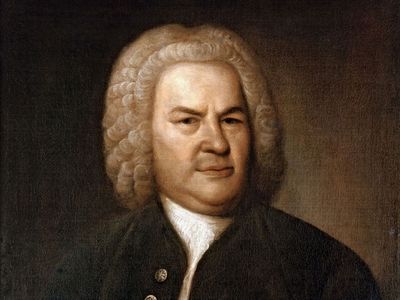

Johann Sebastian Bach is one of the most influential composers in Western music history. His name is often associated with mastery, precision, and profound musical depth. From the emotional beauty of the Mass in B Minor to the brilliance of The Well-Tempered Clavier, Bach’s body of work shaped classical music as we know it. This comprehensive biography covers Bach’s age, family, career highlights, estimated historical net worth, controversies, and lasting legacy.
Johann Sebastian Bach (1685–1750) remains a towering figure in classical music. Widely regarded as one of the greatest composers of all time, Bach produced over a thousand compositions, including cantatas, concertos, and sacred works. His contributions shaped Baroque music and set the foundation for future musical styles.
This article provides a complete overview of Bach’s life, age, net worth, family background, musical career, and significance, helping readers understand why his name continues to dominate classical music discussions.
Biography of Johann Sebastian Bach
Early Life and Age
Johann Sebastian Bach was born on March 31, 1685, in Eisenach, in what is now Germany. At the time of his death on July 28, 1750, he was 65 years old. Bach grew up in a world filled with music. The Bach family had been musicians for generations, and Johann Sebastian inherited their rich tradition.
Family Background
Bach was born into a well-known musical family. His father, Johann Ambrosius Bach, was the director of musicians in Eisenach. His mother, Maria Elisabeth Lämmerhirt, also came from a respected local family. Sadly, both parents died when Bach was still young, leaving him orphaned at age ten.
Afterward, he moved in with his older brother, Johann Christoph Bach, who became an important mentor and teacher.
Education
Bach’s early education included:
- Musical training from family members, especially his brother
- Choir education at St. Michael’s School in Lüneburg
- Exposure to German, French, and Italian styles of music
Bach’s deep interest in composition and instrumental performance took shape early. He learned the violin, harpsichord, and organ, all of which he mastered.
Marriage and Children
Bach married twice:
- Maria Barbara Bach (married 1707 – died 1720)
- Together, they had seven children, including the well-known composer Wilhelm Friedemann Bach.
- Anna Magdalena Wilcke (married 1721 – until Bach’s death)
- They had thirteen children, including Carl Philipp Emanuel Bach, another major composer.
In total, Bach fathered 20 children, though not all survived to adulthood.
Career Overview
Early Career Roles
Bach’s career began modestly. He worked as an organist and violinist in several German towns:
- Arnstadt (1703–1707): Organist at the New Church
- Mühlhausen (1707–1708): Church musician and composer
During these years, Bach developed his unique musical voice and gained a reputation for his exceptional organ playing.
Weimar Period (1708–1717)
Bach served as court organist and chamber musician for the Duke of Weimar. Here he wrote many of his most famous organ works, including:
- Toccata and Fugue in D minor
- Orgelbüchlein (Little Organ Book)
Bach’s skill resulted in his promotion to Konzertmeister (concertmaster), where he composed cantatas and instrumental music.
Cöthen Period (1717–1723)
Bach became Kapellmeister (music director) for Prince Leopold of Cöthen. This era was filled with instrumental brilliance. He wrote:
- The Brandenburg Concertos
- Cello Suites
- Violin Sonatas and Partitas
These works remain cornerstones of classical performance worldwide.
Leipzig Period (1723–1750)
In Leipzig, Bach served as the Thomaskantor (Cantor of St. Thomas Church). This was his longest and most productive period. His responsibilities included teaching, conducting choirs, and composing music for church services.
Major works from this period include:
- Mass in B Minor
- St. Matthew Passion
- St. John Passion
- The Well-Tempered Clavier
- Hundreds of cantatas
This period solidified Bach’s legacy as one of history’s greatest composers.
Controversies and Criticisms
Although Bach is celebrated today, he faced controversy during his lifetime.
Conflicts with Employers
Bach often clashed with authorities who:
- Found his music too complex
- Disapproved of his demands for artistic independence
- Objected to his extended absences to visit other musicians
At Weimar, Bach was even briefly jailed for insisting on leaving his job to accept a better position.
Perceptions of His Music
During Bach’s later years, his music was considered old-fashioned compared to newer, simpler styles emerging from the Classical era. Critics argued his compositions were too:
- Dense
- Intellectual
- Polyphonic
As a result, his music faded from popularity until a 19th-century revival led by Felix Mendelssohn restored his fame.
Net Worth and Financial Overview
Assigning a modern net worth to a historical figure is challenging. However, records provide insight into Bach’s financial situation.
Income Sources
Bach earned money through:
- His official salaries as organist, Kapellmeister, and Cantor
- Teaching students
- Commissions from churches and nobility
- Publishing and selling music manuscripts
Compared with many musicians of his time, Bach lived comfortably middle-class.
Estimated Wealth in Modern Terms
Historians estimate that Bach’s income placed him in the upper middle tier of early 18th-century society. Adjusted for today, this would be roughly equivalent to a modern net worth of $1–3 million.
This is not an exact figure but offers a reasonable estimate based on typical earnings and property values during his lifetime.
Legacy and Significance
Johann Sebastian Bach’s legacy is immense. His music influenced generations of composers, including:
- Mozart
- Beethoven
- Brahms
- Mendelssohn
Today, Bach is regarded as:
- A master of counterpoint
- The pinnacle of Baroque music
- A foundational figure in Western classical music
His compositions continue to be studied, performed, and admired worldwide. Bach’s influence extends beyond classical music into modern genres, including jazz, film music, and even rock.
Frequently Asked Questions (FAQs)
1. When was Johann Sebastian Bach born?
Bach was born on March 31, 1685, in Eisenach, Germany.
2. How old was Bach when he died?
He died at age 65 on July 28, 1750.
3. How many children did Bach have?
Bach had 20 children, though only 10 survived to adulthood.
4. What is Bach’s most famous work?
Some of his most famous works include The Brandenburg Concertos, The Well-Tempered Clavier, and the Mass in B Minor.
5. What instrument did Bach play?
He was a master of the organ, harpsichord, and violin.
6. Did Bach become wealthy?
He lived a comfortable middle-class life and would likely have a modern-equivalent net worth of $1–3 million.
7. What is Bach known for today?
Bach is remembered as one of the greatest composers in world history and a master of Baroque musical structure.
Conclusion
Johann Sebastian Bach’s biography is a story of talent, dedication, and lasting influence. From his early years in a musical family to his legendary works in Leipzig, Bach’s contributions transformed Western music. Despite facing criticism during his lifetime, he is now celebrated globally. His music continues to inspire musicians, scholars, and listeners centuries later.
Disclaimer: This biography is compiled from publicly available information and is meant solely for informational purposes. While every effort has been made to ensure accuracy, certain details may vary or be open to interpretation.
