
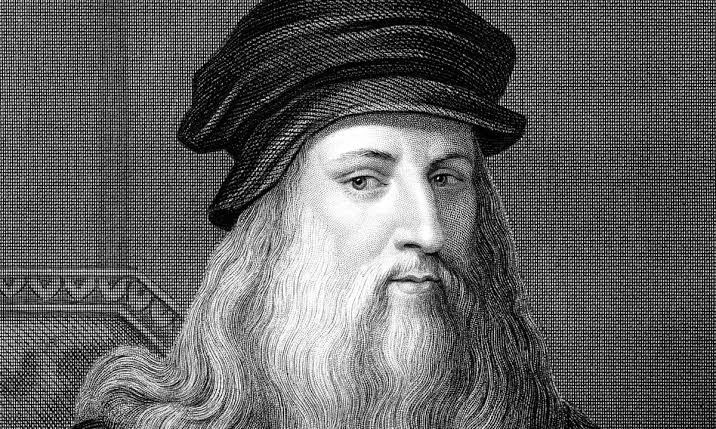

Leonardo da Vinci is one of history’s most celebrated polymaths, known for his contributions to art, science, and engineering. His genius transcended centuries, leaving a lasting legacy that continues to inspire. From masterpieces like the Mona Lisa to his innovative inventions, Leonardo’s life remains a subject of fascination for historians, artists, and the general public alike. In this article, we explore his biography, career, family, net worth, and enduring impact.
Biography of Leonardo Da Vinci
Leonardo da Vinci was born on April 15, 1452, in Vinci, Italy, a small town near Florence. He was the illegitimate son of Ser Piero da Vinci, a notary, and Caterina, a peasant woman. Despite his unconventional family circumstances, Leonardo displayed extraordinary talent from a young age.
Growing up in Florence, he received an informal education typical for the time, learning basic reading, writing, and arithmetic. However, he was largely self-taught in fields like anatomy, engineering, and painting. Leonardo was deeply curious, and his notebooks reveal a mind constantly exploring nature, mechanics, and the human body.
He passed away on May 2, 1519, in Amboise, France, at the age of 67, leaving behind a remarkable collection of artistic and scientific achievements.
Early Life and Family Background
Leonardo’s family life was complex. Being born out of wedlock meant he could not inherit his father’s social standing. Nevertheless, he was acknowledged by his father and grew up in a supportive household that allowed him to explore his artistic abilities.
Leonardo never married and had no known children. However, his notebooks and correspondences indicate that he maintained close relationships with students and patrons throughout his life. His family’s influence, especially the encouragement from his father and the artistic environment of Florence, played a key role in shaping his extraordinary career.
Career Overview
Leonardo da Vinci’s career spanned multiple disciplines, making him a quintessential Renaissance man. His professional life can be divided into several phases:
Artistic Achievements
Leonardo is best known for his paintings, many of which are iconic today. Some of his most celebrated works include:
- The Mona Lisa (1503–1506): Famous for her enigmatic smile, this painting remains one of the most recognized and valuable artworks in the world.
- The Last Supper (1495–1498): A masterpiece of religious art, depicting Jesus’ final meal with his disciples.
- Vitruvian Man (c. 1490): A drawing combining art and science, illustrating the proportions of the human body.
Scientific and Engineering Contributions
Beyond art, Leonardo was fascinated by mechanics, anatomy, and engineering. He sketched designs for:
- Early prototypes of helicopters and tanks
- Bridges and canal systems
- Detailed studies of the human anatomy, including muscles and organs
His notebooks, known as Codices, are filled with detailed illustrations and observations that influenced generations of scientists and engineers.
Professional Roles
Leonardo worked for prominent patrons, including Ludovico Sforza, the Duke of Milan, and King Francis I of France. These roles provided him the freedom to explore multiple disciplines while completing commissioned artworks and projects.
Controversies and Criticisms
Despite his genius, Leonardo’s career was not without controversy. Some critics argue that he left many projects unfinished due to his perfectionist nature. For example:
- Several paintings, including Saint Jerome in the Wilderness, were left incomplete.
- Some of his engineering projects were impractical for the time, such as flying machines and war devices.
Additionally, there has been historical debate regarding his personal life, including his sexuality and close relationships with apprentices. While these controversies have sparked curiosity, they do not diminish his contributions to art and science.
Net Worth and Financial Overview
Estimating Leonardo da Vinci’s net worth is challenging because he lived during the 15th and 16th centuries, long before modern financial systems. However, records suggest that he was relatively well-compensated for his work:
- Patrons like Ludovico Sforza paid him for major commissions.
- He received gifts and properties from influential figures, including King Francis I of France.
While it is impossible to assign a modern-day dollar figure, Leonardo likely enjoyed financial stability but was not extraordinarily wealthy compared to contemporary nobles. His true wealth lies in his intellectual and artistic legacy, which continues to generate immense cultural and financial value through exhibitions, auctions, and reproductions.
Legacy and Significance
Leonardo da Vinci’s legacy is unparalleled. He is remembered not only as a master artist but also as a visionary thinker whose ideas spanned art, science, and technology. His contributions continue to influence modern disciplines:
- Art: His techniques, such as sfumato and chiaroscuro, revolutionized painting.
- Science and Engineering: His observations anticipated modern anatomy, hydraulics, and flight technology.
- Popular Culture: Leonardo’s life and works inspire books, films, and educational programs worldwide.
In essence, Leonardo da Vinci epitomizes the Renaissance ideal of limitless curiosity and creativity, bridging the gap between art and science.
Frequently Asked Questions (FAQs)
1. How old was Leonardo da Vinci when he died?
Leonardo da Vinci died at the age of 67 on May 2, 1519, in Amboise, France.
2. What was Leonardo da Vinci’s net worth?
While exact figures are unavailable, he enjoyed financial stability through patronage, commissions, and gifts from influential figures. His true legacy is intellectual and cultural wealth.
3. Did Leonardo da Vinci have children?
No, Leonardo da Vinci never married and had no known children.
4. Who were Leonardo da Vinci’s parents?
His father was Ser Piero da Vinci, a notary, and his mother was Caterina, a peasant woman.
5. What is Leonardo da Vinci famous for?
Leonardo is famous for his paintings, such as Mona Lisa and The Last Supper, as well as his notebooks filled with inventions, scientific studies, and anatomical sketches.
6. Did Leonardo da Vinci invent anything?
Yes, he designed numerous inventions, including early concepts of helicopters, tanks, bridges, and various mechanical devices, though most were not built in his lifetime.
7. Why is Leonardo da Vinci considered a genius?
He combined artistic skill with scientific curiosity, excelling in multiple fields, from painting and sculpture to anatomy and engineering, embodying the Renaissance ideal of a polymath.
Leonardo da Vinci’s life continues to fascinate the world. His unique combination of creativity, intellect, and vision cements him as one of history’s greatest minds. From his revolutionary art to his inventive genius, Leonardo remains an enduring symbol of human potential.
Disclaimer: This biography is compiled from publicly available information and is meant solely for informational purposes. While every effort has been made to ensure accuracy, certain details may vary or be open to interpretation.
